
Restoring Function After Spinal Cord Injury
Spinal cord injury (SCI) survivors often face enduring challenges in mobility, independence, and overall quality of life, as most current rehabilitation approaches lead to only partial recovery. Our team is advancing a new generation of noninvasive spinal neuromodulation, known as transcutaneous spinal cord stimulation (tSCS). This technique delivers precisely patterned electrical stimulation through the skin to re-engage and modulate spinal circuits, enabling the nervous system to generate more coordinated and voluntary movement. Unlike conventional rehabilitation methods that primarily compensate for lost function, tSCS promotes reactivation and retraining of the body’s intrinsic sensorimotor networks, harnessing the spinal cord’s inherent capacity for plasticity and recovery. Through this approach, we aim to restore movement and autonomy, transforming what is possible for individuals living with SCI.
Dr. V. Reggie Edgerton — A Lifetime of Breakthroughs in Spinal Cord Research
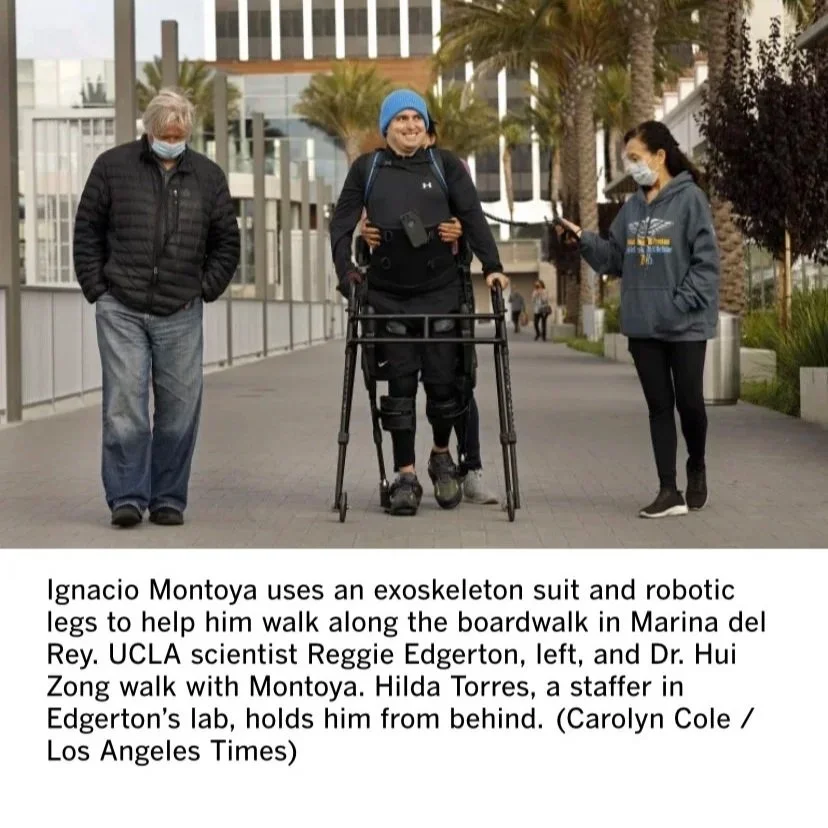
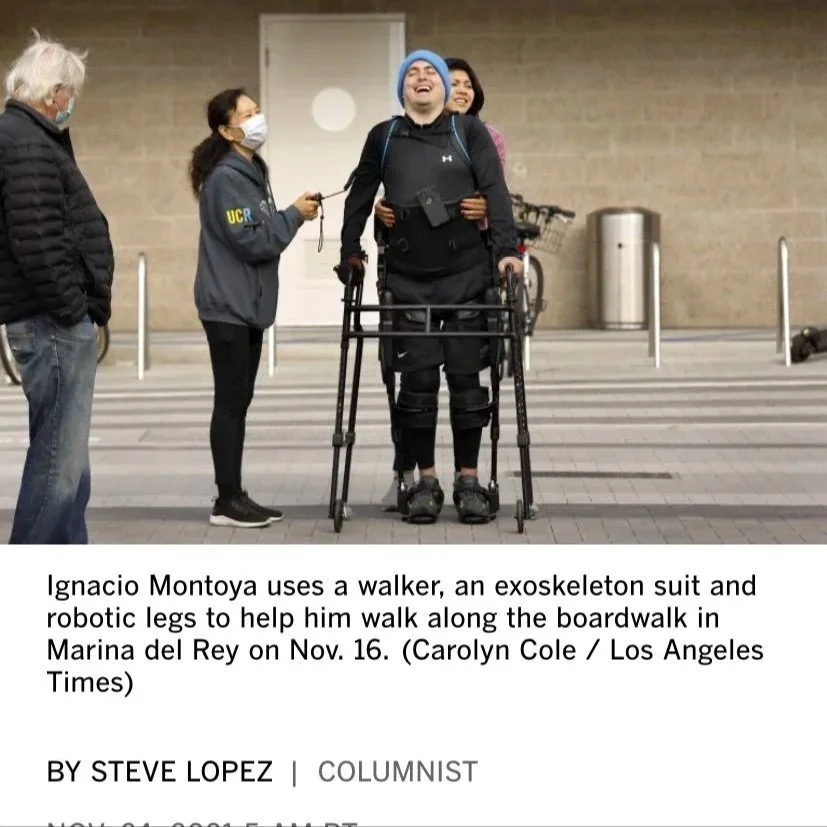
Dr. V. Reggie Edgerton’s pioneering work in spinal cord rehabilitation has transformed the way the world understands recovery after paralysis. Over decades of research, his studies and collaborations have inspired innovation and hope for millions of patients worldwide.
▶ 2011
Paralyzed Man Stands, Moves Legs V. Reggie Edgerton, Ph.D.

Inspired by Dr. Edgerton’s work?
Support ongoing research in spinal cord rehabilitation.
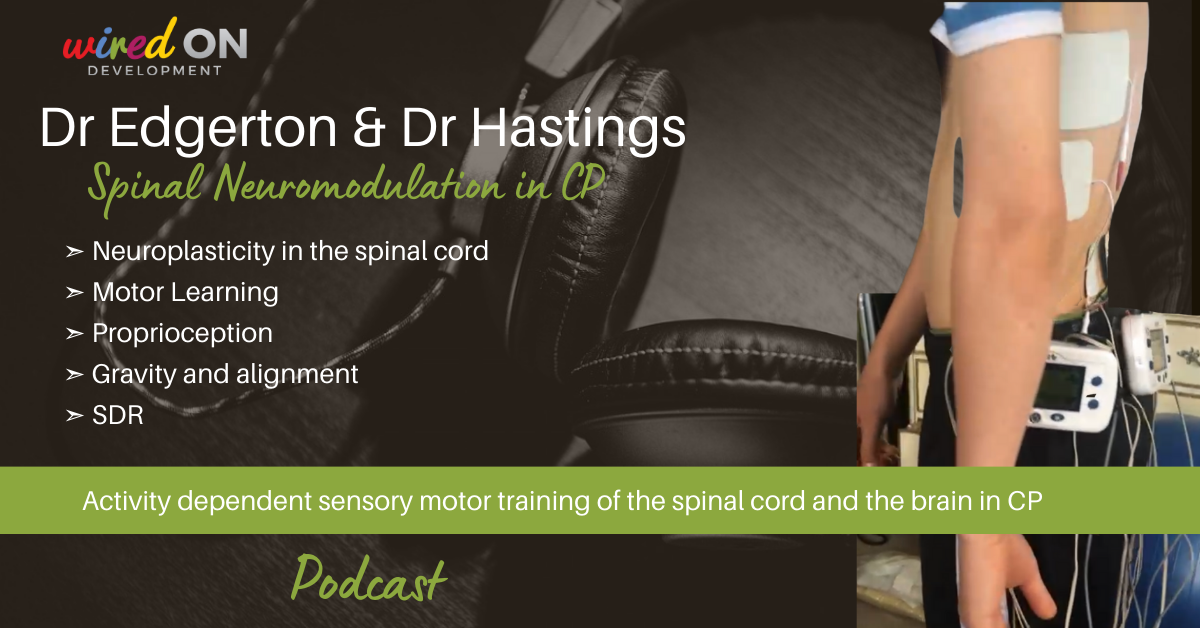
Hear about neuromodulation and cerebral palsy straight from the experts
Drs. Edgerton and Hastings recorded two podcasts with the wiredON Development, a community of pediatric physical therapists and occupational therapists created to bring innovative practices into everyday neurorehabilitation by connecting passionate clinicians, thought leaders and academics. Listen here
